Oura Ring Nears $500M Revenue and Delays US IPO

avatar

Biohackers Connect

Hacking the Human System

Sam Mendoza's profile picture on Select App
SM

Sam Mendoza

·2 years ago
shared a link post in group #Biohackers Connect
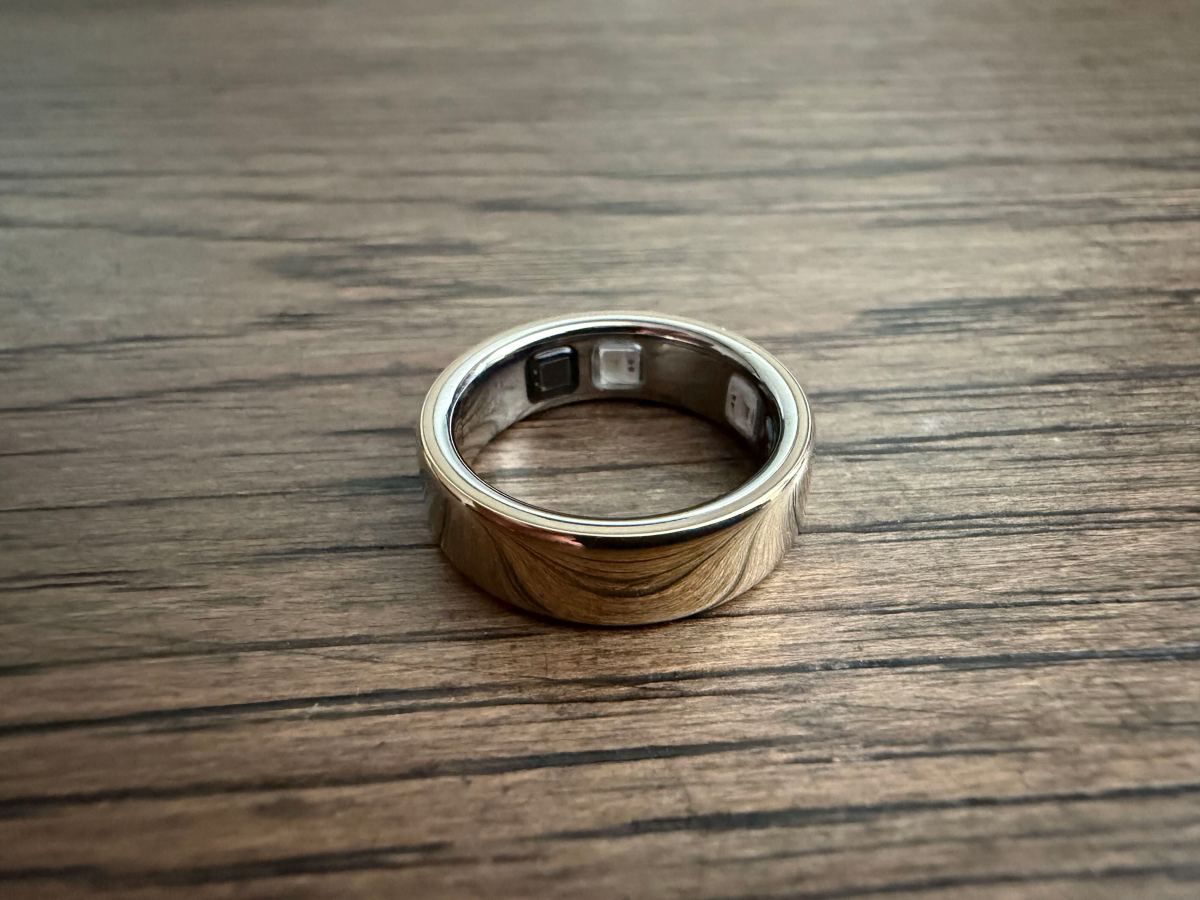
Recent #Artificial Intelligence #Gadgets startups have struggled to convert hype to usable gadgets. But one private-market tech company is not having a hard time driving revenue. It’s Oura, best known for its wearable rings. Bloomberg reports that Oura’s revenues are nearing the $500 million annual mark. That’s plenty big enough to go public, even if the company — sadly — doesn’t seem to be in much of a hurry to drop its startup tag. https://www.bloomberg.com.. #Biohackers Connect
Oura Nears $500 Million in Annual Revenue and Readies New Ring
www.bloomberg.com

Oura Nears $500 Million in Annual Revenue and Readies New Ring

Oura Health Oy, a Finnish health technology company known for its fitness-tracking rings, will see annual sales double this year to roughly $500 million and expects “healthy” growth in 2025.

 
avatar

Jerome Cody

Oura, the company that sells rings tracking people’s health and activities, has turned into an enormously profitable enterprise. Its IPO filing, disclosed on Thursday, showed it generated $262 million in free cash flow in the nine months ending June 30.

 
avatar

Jerome Cody

Oura Inc., the company that sells rings that track people’s health and activities, has turned into an enormously profitable enterprise. Its IPO filing, disclosed on Thursday, showed that it generated $262 million in free cash flow in the nine months ending June 30. #Gadgets Oura is also growing quickly, lifting revenue 74% to $1.2 billion in the same period. The number of rings sold hit 3.1 million in the nine month period, up from 1.8 million a year earlier, while the number of paying members doubled to five million. Paying members get extra benefits. Oura is one of the highest profile examples of wearables startups, cashing in on consumers’ desire to track their health in detail. Oura is competing with Apple’s watch, Google’s Fitbit as well as other standalone firms such as Whoop. techcrunch.com/2026/09/03..
Oura files to go public | TechCrunch

techcrunch.com

Oura files to go public | TechCrunch

The ring maker says that its business has shown significant revenue growth over the past year.

 
avatar

Bobby

Oura is looking to sell $2.2 billion in shares during its initial public offering, the company said in its updated S-1 filing on Monday. Oura, which makes smart rings that track biometrics including sleep quality and heart health, could reach a $15.6 billion fully-diluted valuation from the sale. The company itself is offering 13.5 million shares, while existing shareholders are offering 36.5 million shares, with a stock price expected to be between $40 and $44, according to the filing. The bulk of the shares sold will be from early investor Forerunner Ventures, which is selling its entire 9.3% stake in Oura during the IPO. The filing notes that pharmaceutical company Eli Lilly could buy up to $100 million in shares in the IPO, and funds affiliated with Dragoneer Investment Group were interested in buying up to $300 million in shares at the IPO price. Oura said it intended to use $526.4 million of $567 million proceeds to satisfy tax obligations from vesting employees’ restricted stock units, and use the remaining proceeds for its corporate expenses. Oura’s net income for the nine months ended in June rose from $1.6 million in 2025 to $60.8 million in 2026. Its revenue grew 74% year-on-year to $1.2 billion, with revenue from memberships more than doubling to $240 million, the filing shows. Oura reached a $11 billion valuation in a round led by Fidelity Management & Research Company last October. sec.gov/Archives/edgar/da..

www.sec.gov

S-1/A

(Address, including zip code, and telephone number, including area code, of registrant’s principal executive offices)

 
avatar

Sam Mendoza

Hardware is hard, but calling Oura the next Peloton ignores how much people hate taking off their ring vs. sitting on an exercise bike. 9x sales is steep, but bet against consumer wellness habits at your own risk! 💍📊 #Sleep #Gadgets #The Most Important Thing #Biohackers Connect Oura, one of the leaders in health-related wearables, has made quite the name for itself in the past few years. Revenue more than doubled in its fiscal 2025, ending last September, to $907.9 million and jumped another 74% in the nine months ending June of this year. Oura is generating real cash—$100 million in fiscal 2025. But we’ve been here before. As Arete Research analyst Richard Kramer notes, Oura has parallels to other “single product–plus-subscription models that didn’t end well,” such as Peloton, GoPro and Fitbit. Take GoPro, which went public in 2014, when its sales were surging. In 2013, revenue had nearly doubled to $985.7 million, expanding 41% in 2014. GoPro was also making real money—$84 million in 2013, dipping a bit in 2014. Investors were wary, although one half-witted columnist (OK, it was me) took a stupidly contrarian view in this 2015 piece suggesting GoPro still had potential for growth. I couldn’t have been more wrong. GoPro’s revenue peaked in 2015 at $1.6 billion and started shrinking after that, hitting $651 million in 2025. Its stock price fell from around $50 to $60 in mid-2015 to 60 cents last month. On Sept. 1, GoPro announced it was merging with an optical photonics firm in a deal that will give its shareholders $1.14 in cash and a tiny amount of equity in the newly combined company. GoPro’s problem is that, like Oura, it’s a niche product in a market where there are lots of alternatives—most obviously smartphones whose cameras just keep getting better. Oura is in the same boat. There are lots of rival wearables—including the Apple Watch and a $99 wrist tracker recently introduced by Google. And Oura’s rings aren’t cheap at $349 or more. Oura’s shares also don’t look cheap. At the midpoint of its tentative pricing range, Oura looks to be valued at around nine times this year’s estimated revenue—assuming the growth it reported for the first nine months carries through into the fourth quarter. That multiple is roughly where GoPro traded at its peak in 2014, according to Koyfin data. But for most of the past decade, GoPro shares traded at between 0.3 and one time forward sales. Sonos, another niche hardware maker, currently trades at 1.2 times forward sale. The only hardware stock that trades around nine times sales is Apple. And there’s no comparison between Apple and Oura. Investors might be better off avoiding Oura. theinformation.com/newsle..
Why Oura May Not Be the Healthiest IPO

www.theinformation.com

Why Oura May Not Be the Healthiest IPO

So much is going on in the broadly defined AI world that it’s easy to overlook other stuff that’s happening. This week, for instance, fitness ring maker Oura is expected to go public, which is an even

 
avatar

Bobby

Oura, the maker of a popular ring that tracks people’s health, said Tuesday it was postponing its initial public offering, “despite strong demand, due to uncertainty in the IPO market.” Oura was scheduled to go public later this week. The company had made public its IPO filing at the beginning of this month and last week it had disclosed its tentative pricing, making clear it wanted to take the company public at a premium valuation. (e.customeriomail.com/e/c/..) But the company faced some skepticism. One analyst, Arete Research’s Richard Kramer, likened Oura to other “single product plus subscription models that didn’t end well,” such as Peloton, GoPro and Fitbit. Moreover, wariness is spreading among investors about AI financing, possibly influencing Oura’s thinking. Oura isn’t under pressure to go public, as the company makes money and nearly all the money the company would have raised from the offering would go to satisfy tax payments related to employee stock awards.

Embed post to a webpage :
<div data-postid="vodzroy" [...] </div>
Powered bySelect·iOS·Android
Privacy|Terms|